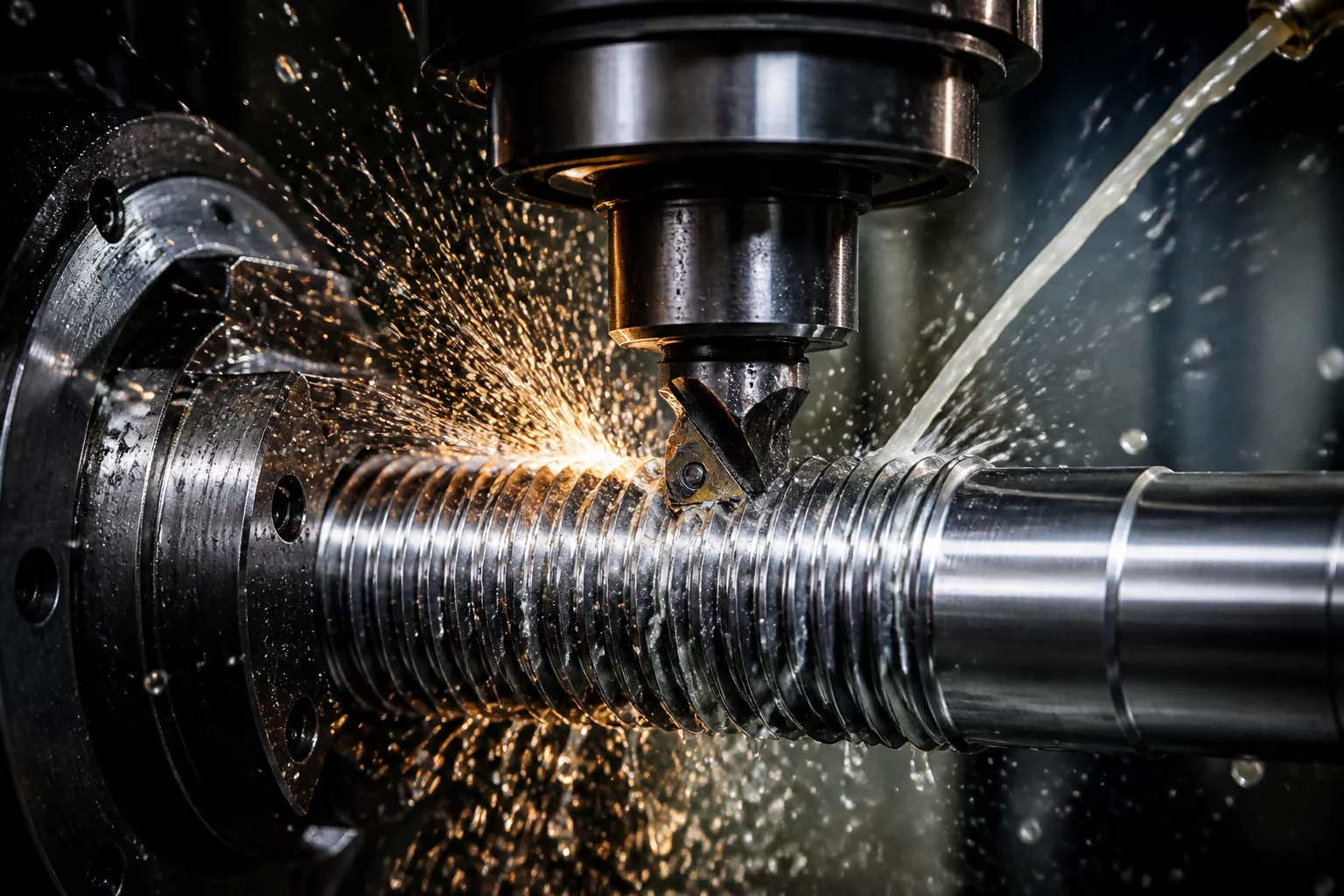
In precision CNC machining, automatic milling of threads requires meticulous path planning to ensure the resulting helical geometry aligns perfectly with design specifications. Any modification in the tool path, cutter compensation, or minor geometry adjustment directly influences the thread profile, depth, and overall assembly clearance. Engineers must understand how these variations accumulate in tolerance stack-ups, potentially leading to loose joints or interference fits when parts are mated during final assembly.
Core Concepts & Methodologies
Our curriculum addresses the critical junction between digital CAD design and physical manufacturing realities. We explore how automated CAM processors translate geometric boundaries into G-code, highlighting the hidden risks of tool deflection, thermal expansion, and machine backlash. By examining thread fit metrics and mechanical constraints, you will learn to predict structural interface behaviors and prevent assembly failures before components ever reach the machine shop floor.
- Identify tool path deviation risks in automatic CNC thread milling operations.
- Analyze tolerance stack-ups on male and female thread geometries.
- Optimize cutter compensation parameters to ensure nominal fit clearances.
- Understand downstream assembly impacts of pitch and angle variations.