Modern engineering design is a fluid process. When a single dimension on a component shifts, the entire assembly environment reacts. This program explores the core logic behind these shifts, helping engineers predict how a simple change in a bracket's hole placement or a flange's thickness alters the clearance of neighboring parts. Understanding the fundamental geometry helps in avoiding costly manufacturing errors and ensures that components remain functional throughout their lifecycle without unexpected physical conflicts.
Core Concepts & Methodologies
We focus strictly on the relationship between theoretical digital design and physical reality. The curriculum covers how to map dependencies between parts, ensuring that a revision in one component doesn't cause a failure in another down the line. Participants learn to analyze the sensitivity of assembly interfaces to small variations in linear and angular dimensions, gaining the skills to maintain precision even when geometry is modified under tight deadlines.
- Mapping geometric dependencies across complex mechanical assemblies.
- Predicting tolerance stack-up impacts before physical prototyping begins.
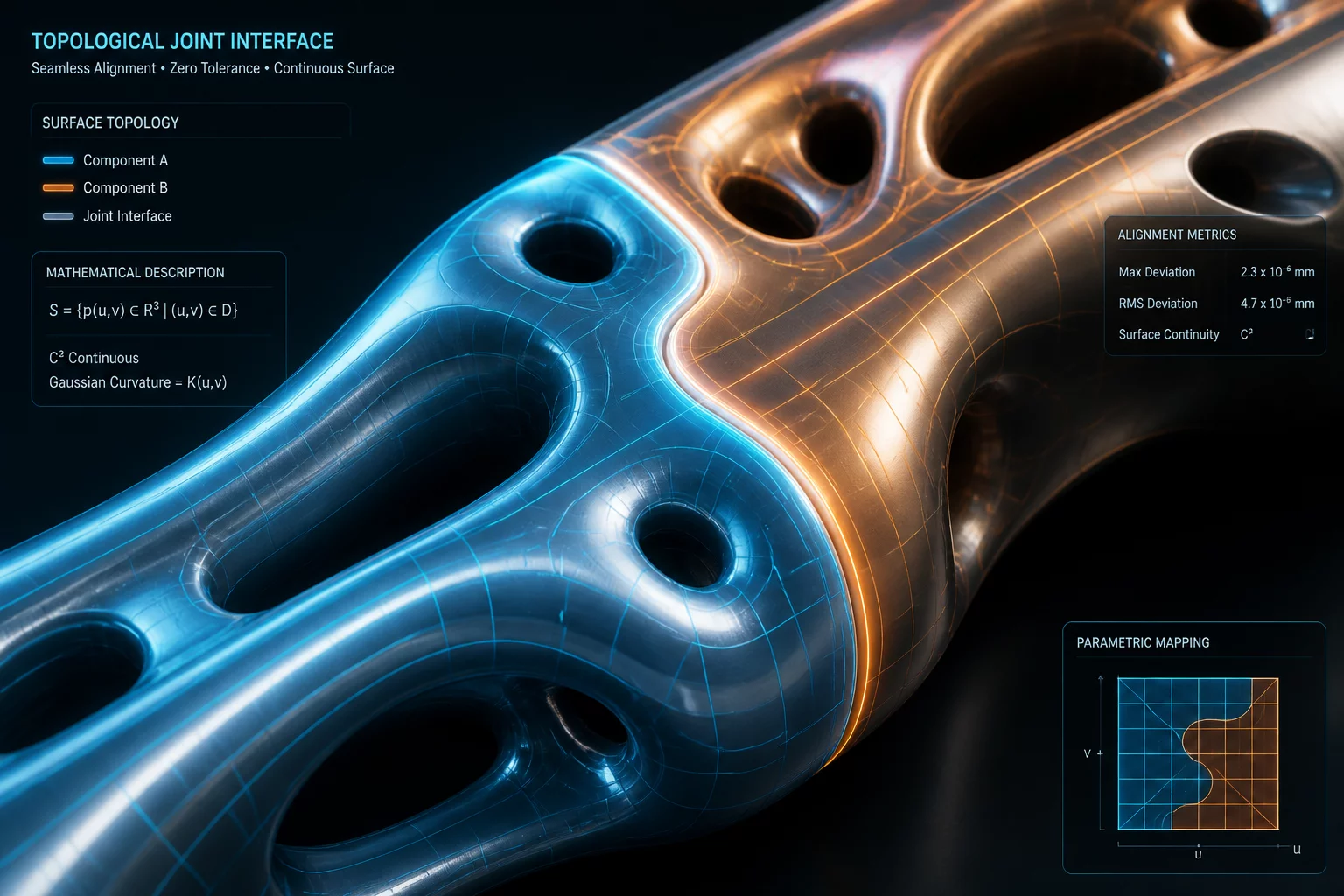
- Understanding the interplay between flat datums and complex curved surfaces.
- Validating design revisions for downstream manufacturing and assembly compatibility.