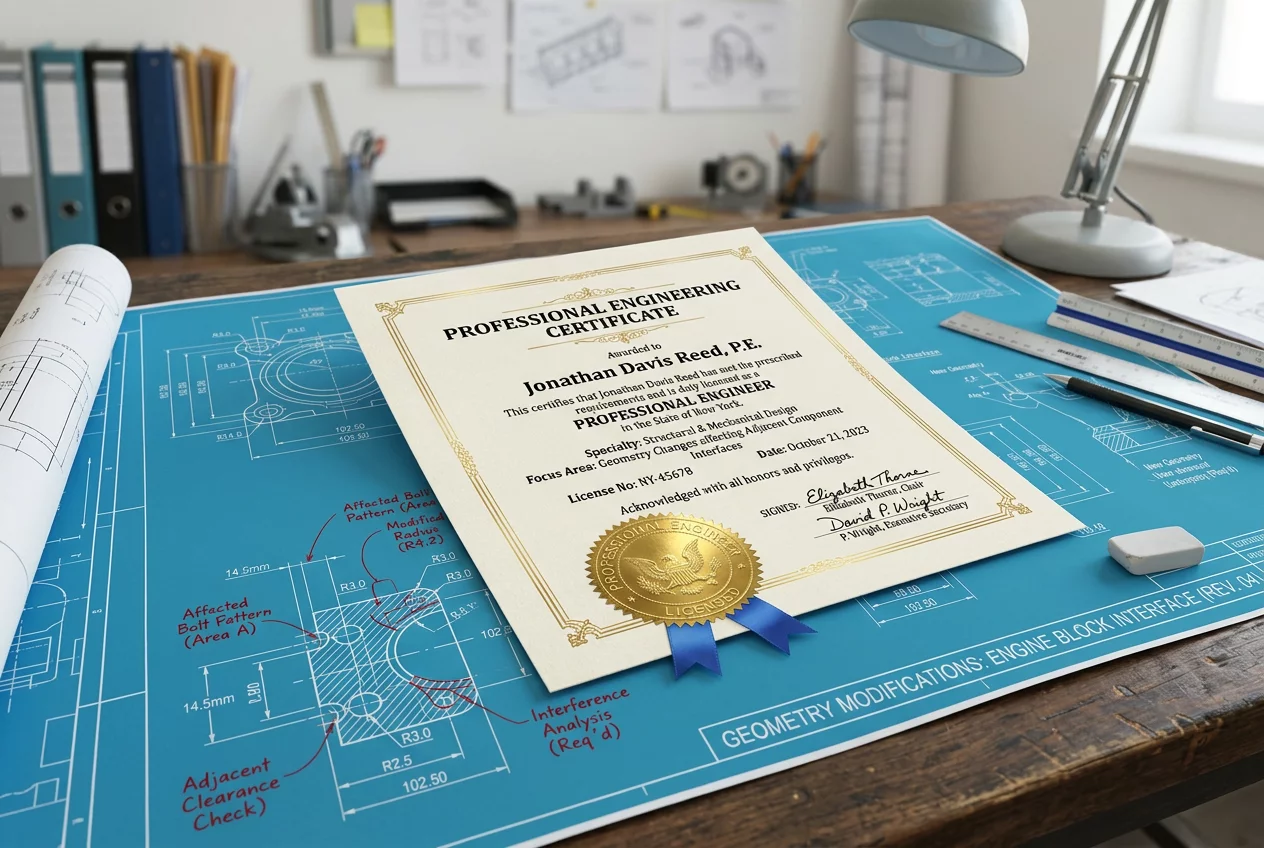
Ensuring mechanical assemblies align perfectly under varying manufacturing tolerances is a foundational skill in modern engineering. The Fit Review Handbook Certification program provides a comprehensive roadmap for engineers, designers, and quality specialists. Participants learn how to analyze geometry changes, model part interfaces, and predict assembly success. By focusing on real-world engineering constraints, this certification bridges the gap between digital CAD models and physical production realities, ensuring that components always fit as intended.
Core Concepts & Methodologies
Throughout this program, we dive deep into the math and methodology behind clearance analysis, mating constraint setups, and component drift. You will master standard-compliant geometric dimensioning and tolerancing (GD&T) principles, specifically tailored to managing geometry changes. The course covers how to establish key datum references on complex physical surfaces, evaluate the ripple effects of minor revision adjustments, and document fit reviews systematically. Through these practices, engineering teams can minimize downstream rework, reduce physical prototyping costs, and build robust tolerance loops.
- Establish clear geometric reference systems to track how modifications impact neighboring components.
- Perform detailed tolerance stack-up calculations for both static and dynamic part interfaces.
- Identify hidden mating issues early in the design cycle using digital simulation tools.
- Implement a standardized fit review workflow to streamline downstream approvals and reduce engineering change orders.