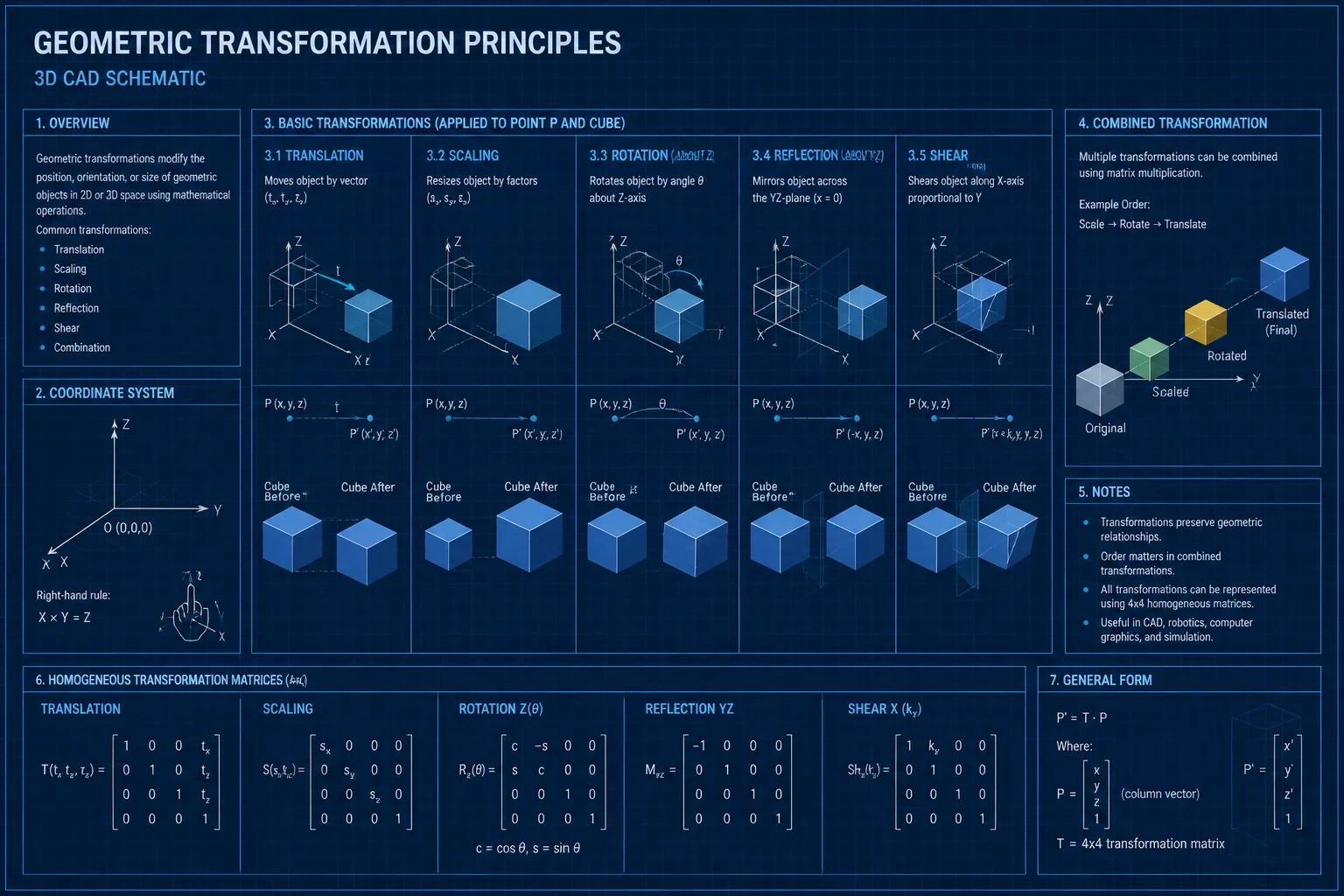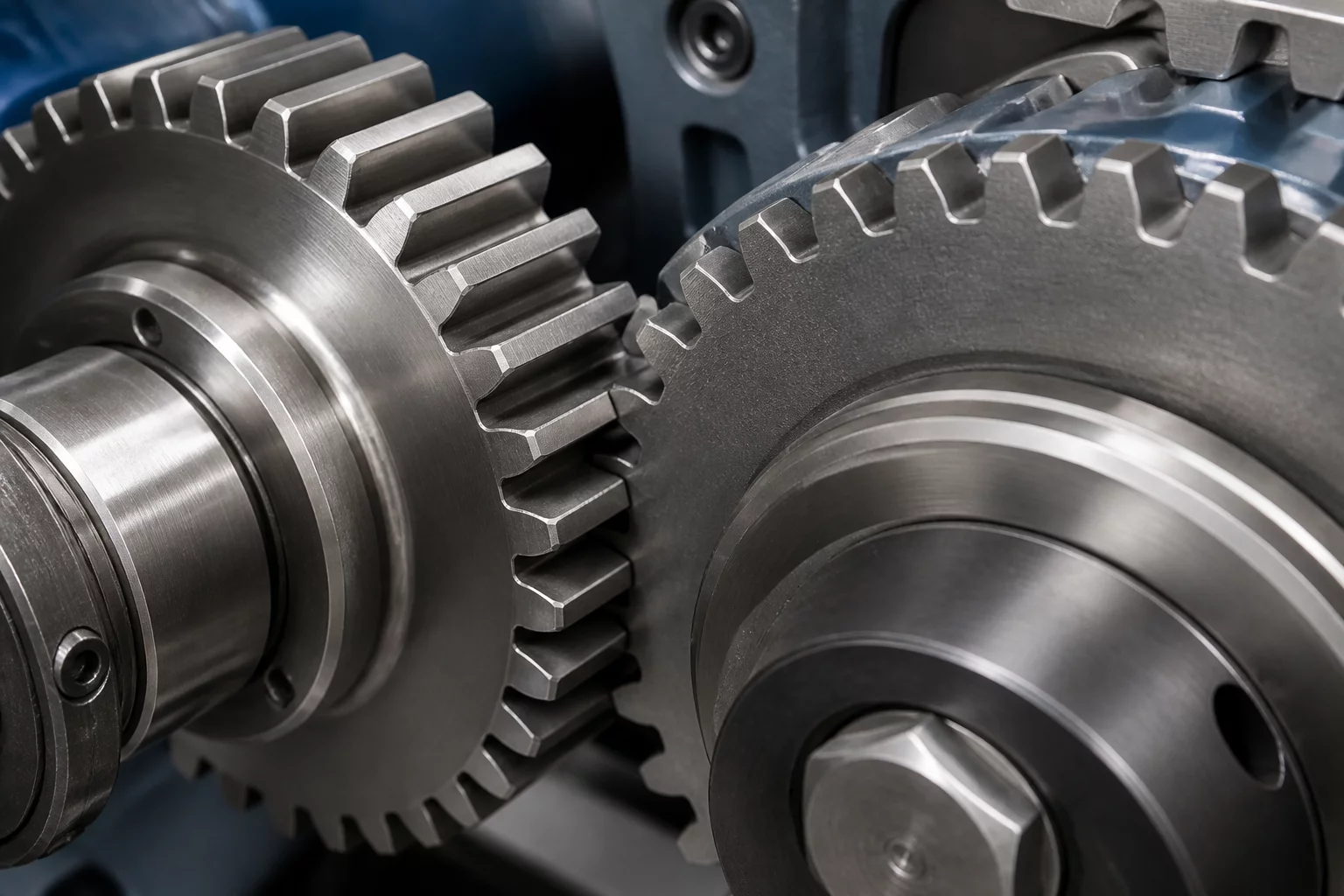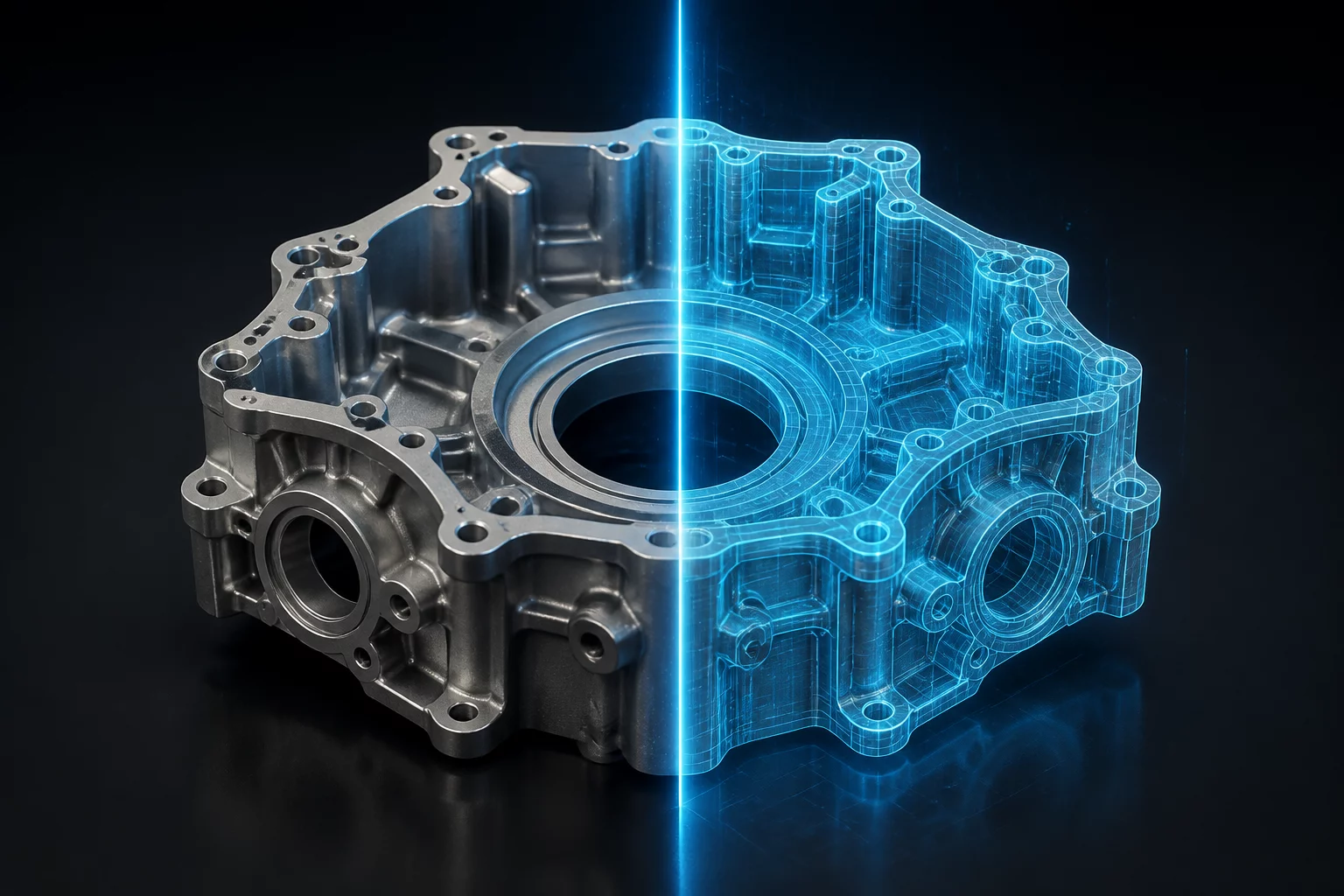
Mirroring components within CAD systems is a common shortcut to design symmetrical assemblies, but it introduces hidden risks for downstream parts. When a part is reflected across a construction plane, the mathematical orientation changes. If the design team ignores the handedness (left-hand vs. right-hand configurations), they face costly manufacturing errors. This course walks you through the core principles of evaluating reflected geometry, aligning planes, and identifying features that fail to mirror properly.
Core Concepts & Methodologies
Understanding the geometric relationships during mirror operations prevents parent-child dependency failures and mating interface mismatches. We analyze how parameters transfer across the mirror plane, how to handle threads, and how asymmetric clearance requirements affect the reflected model. Through detailed physical models and virtual design reviews, you will master the art of mirroring without breaking assembly constraints.
- Identify asymmetrical features that do not mirror cleanly before they go to manufacturing.
- Manage parent-child geometry dependencies in modern CAD suites like Fusion 360 and SolidWorks.
- Solve alignment discrepancies when mating mirrored components to symmetric structures.
- Develop robust inspection checklists to verify left-hand and right-hand physical part configurations.