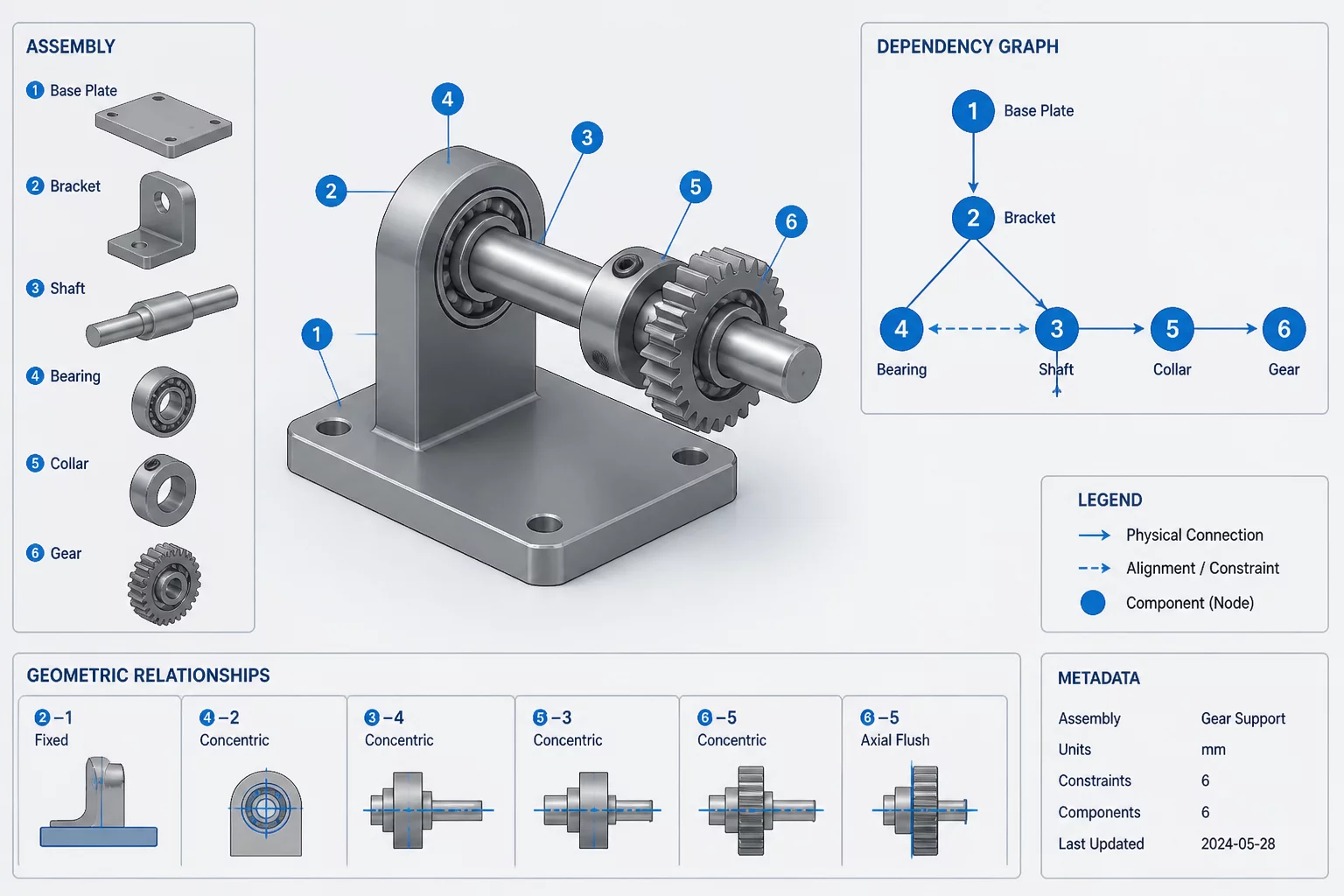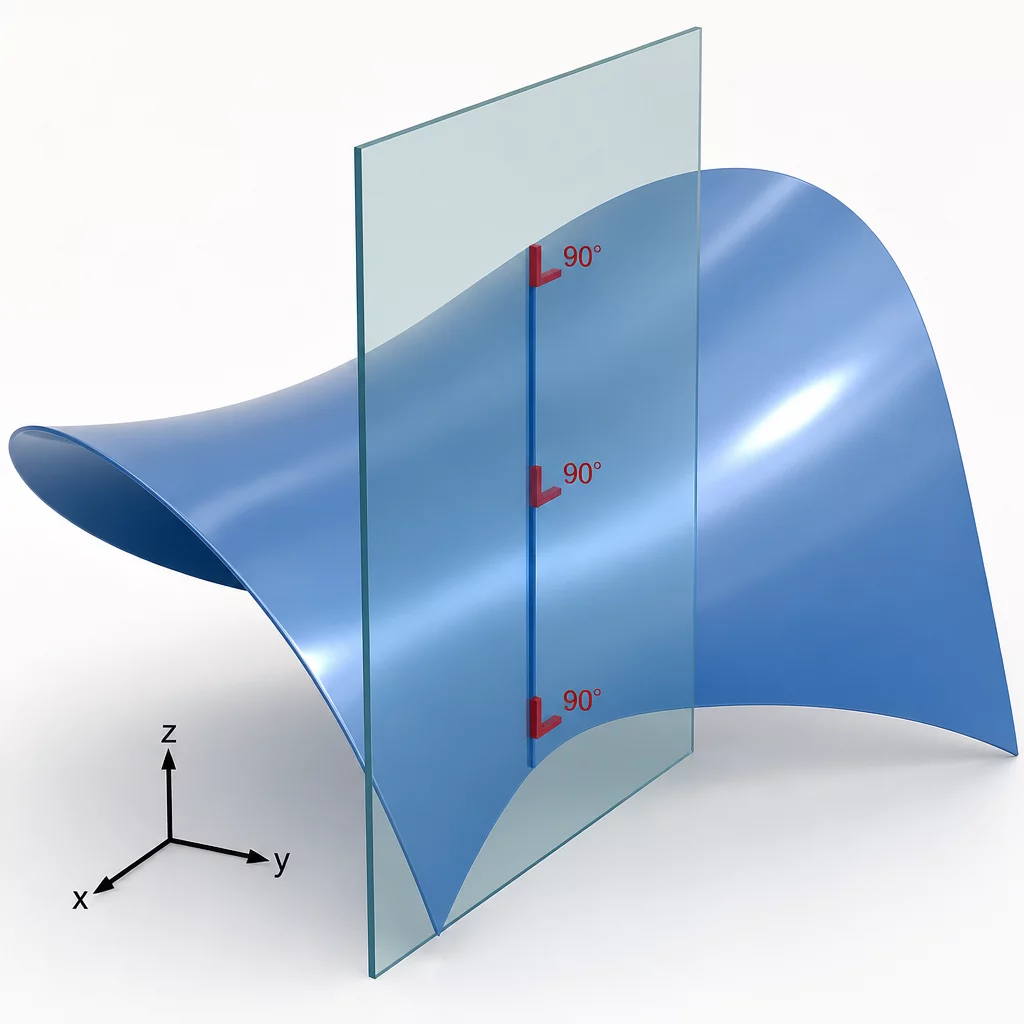
Establishing flat reference datums on organic or cylindrical geometries represents one of the most critical challenges in modern CAD and CAM design. When physical components transition from simple block shapes to swept paths, aerodynamic casings, or complex automotive panels, standard coordinate planes no longer align naturally. Without a clear methodology, engineers risk miscalculating alignment vectors, leading to downstream manufacturing failures. This program covers the mathematical and practical frameworks needed to establish stable perpendicular planes on non-flat surfaces.
Core Concepts & Methodologies
Our training guides engineers through constructing tangent datums and setting up local coordinate systems that remain robust during design revisions. We investigate how minor radius updates affect normal vector calculations and cause cascading alignment errors. Through hands-on exercises in digital environments, you will learn to configure stable physical mating zones that minimize tolerance accumulation and ensure seamless part interfaces.
- Techniques to calculate precise surface normal vectors on single and double-curved boundaries.
- Strategies for positioning stable three-point contact datums on cylindrical and spherical faces.
- Workflows to avoid geometric distortions when exporting curved CAD models to multi-axis milling software.
- Methods to analyze the tolerance impact on neighboring structural components.