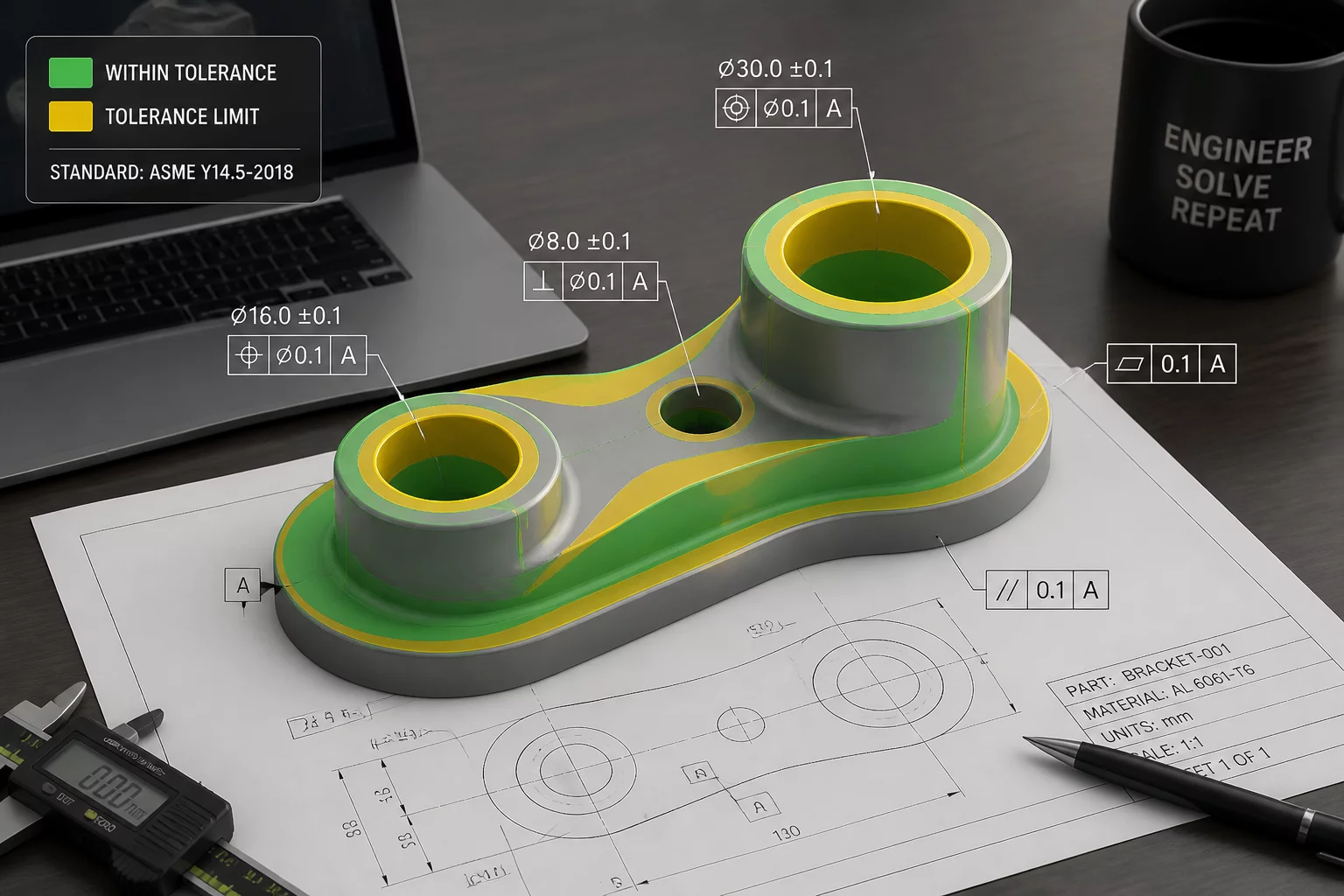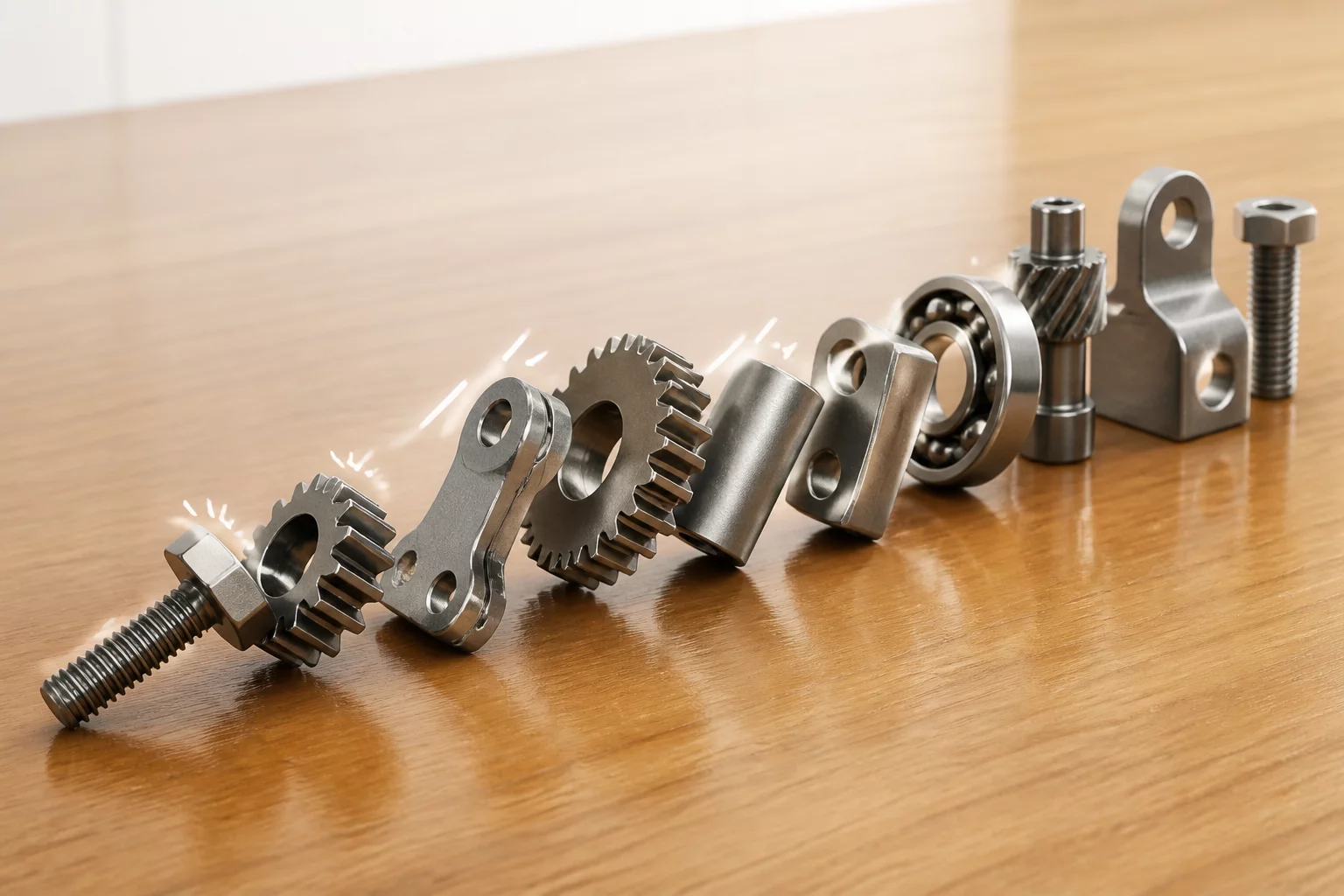
When a physical component undergoes a geometric revision, the modifications rarely stop at that single part. Downstream parts—mating components, brackets, and structural interfaces—frequently inherit structural or positional changes. This educational program focuses on identifying, mapping, and mitigating the cascading effects of geometry updates within mechanical assemblies. Engineers learn to trace dimensional updates back to their reference planes and analyze how slight tweaks in one localized component can alter the assembly clearance across several neighboring parts.
Core Concepts & Methodologies
Managing downstream revisions requires an understanding of primary mating interfaces and physical constraints. If a mounting hole moves by a fraction of a millimeter, the corresponding pins, clearance holes, and fastener stack-ups on adjacent parts must accommodate that shift. Otherwise, the physical assembly faces interference, misalignment, or complete structural failure. Through practical geometric modeling and tolerance stack-up analysis, this course guides teams to establish robust change workflows that ensure seamless manufacturing handoffs.
- Dynamic change mapping across multi-component assemblies.
- Tolerance stack-up calculations for revised interfaces.
- Clearance conflict prevention and alignment verification.
- Best practices for CAD revision control in collaborative teams.