Engineering Program

Assembly Interface Review

A specialized engineering program focusing on the geometric constraints and physical interactions that define successful component mating and assembly integrity.

4.9 / 5.0
$199
Assembly Interface Review

Program Curriculum & Content

Engineering excellence is often decided at the microscopic level where two surfaces meet. The Assembly Interface Review curriculum is designed to help engineers move beyond isolated part design and embrace a systems-level perspective. We focus on how geometric variations in one component can ripple through an entire assembly, potentially leading to interference, failure, or excessive manufacturing costs. By mastering the interface, you ensure that every revision is deliberate and every fit is guaranteed.

Core Concepts & Methodologies

This program bridges the gap between theoretical tolerance analysis and practical industrial application. We analyze the physical contact logic that dictates how parts sit, slide, and fasten together. Through this study, participants will develop a robust framework for evaluating design changes, ensuring that a simple modification in one area doesn't create a catastrophic fit issue elsewhere.

  • Comprehensive mapping of critical mating surfaces and contact points.
  • Advanced techniques for calculating tolerance stack-ups in multi-component systems.
  • Strategic evaluation of geometric constraints and their influence on assembly stability.
  • Workflow integration for engineering handoffs and revision impact assessments.
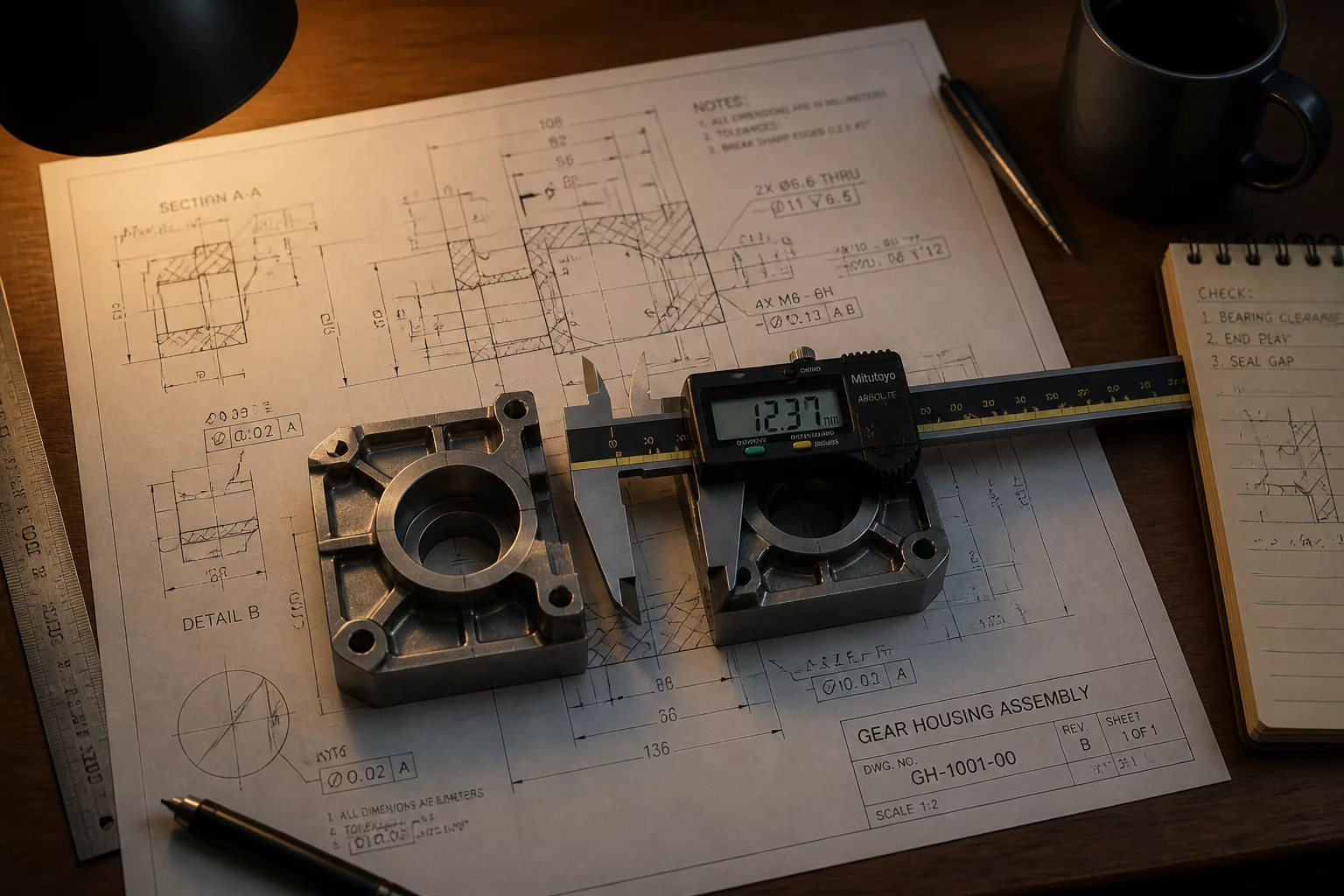
We begin by defining the primary types of mechanical interfaces and the geometric constraints that govern them. This module establishes a common language for interface review, focusing on component dependency mapping and identifying the master dimensions that dictate assembly success. Participants will learn how to establish a hierarchy of constraints based on their direct impact on the final fit and function.

This phase moves into the mechanics of fit logic. We cover clearance changes, fastener stack analysis, and the critical role of tangency constraints. Through practical simulations, you will observe how adjustments to a single geometric feature affect neighboring parts, teaching you how to maintain assembly equilibrium even during aggressive design revision cycles. It is about understanding the mathematical reality behind the CAD model.

The final module focuses on the handoff between design and manufacturing. We explore formal review protocols, engineering handoff questions, and revision approval workflows. Learn how to document interface risks and implement quality control checks that catch geometric errors before they reach the assembly floor. The module concludes with case studies analyzing successful fit decisions and common interface failure points.