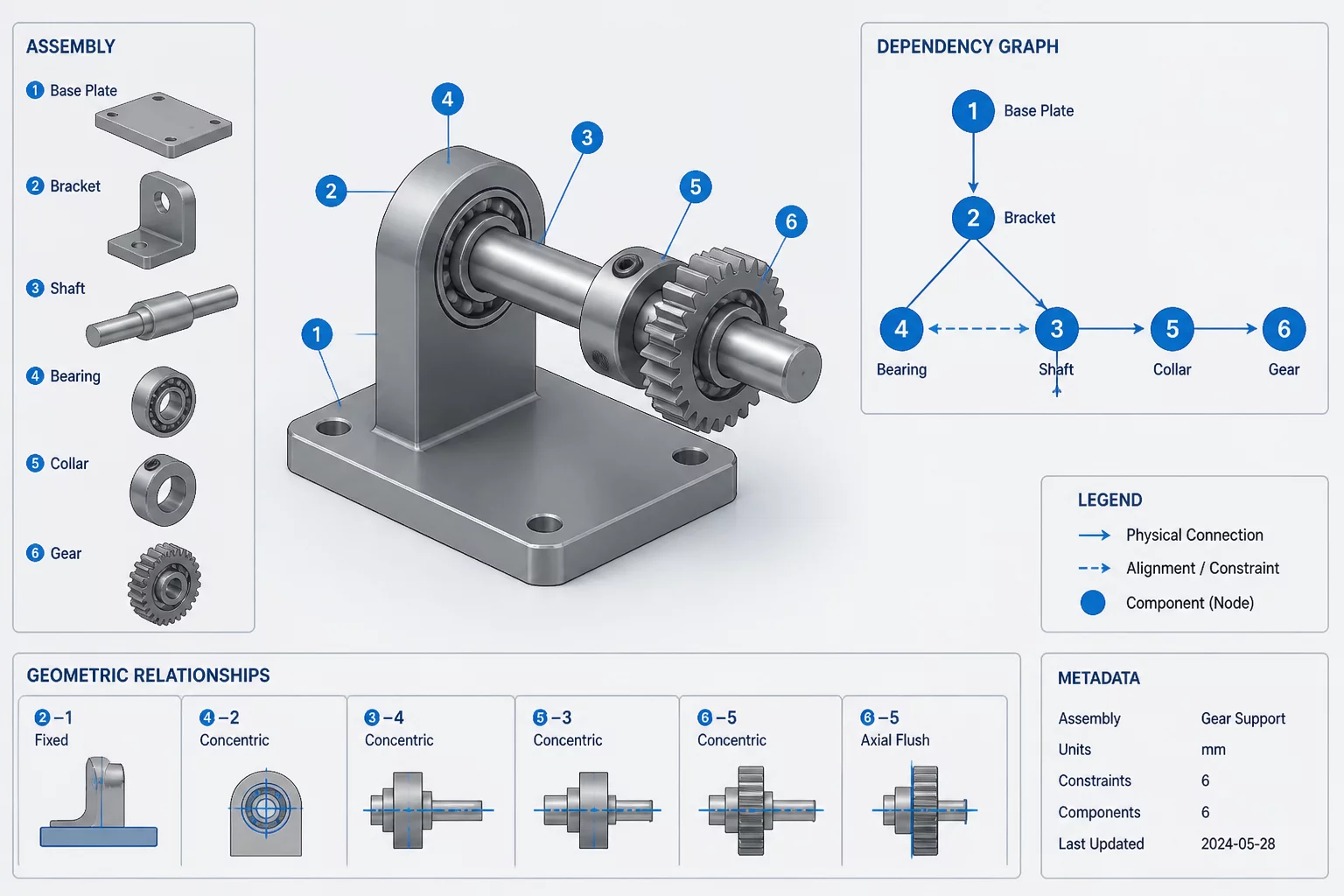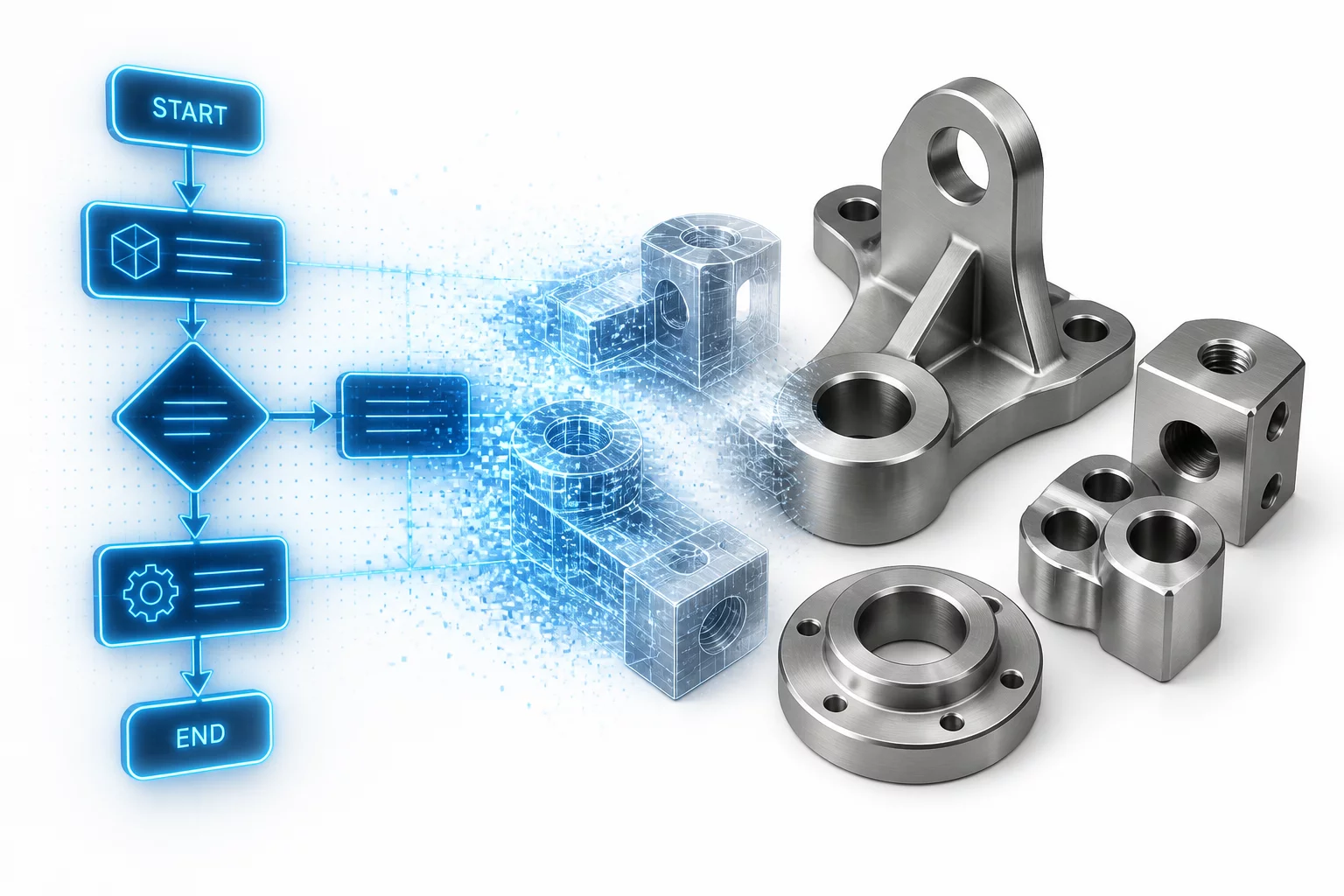
In precision engineering, a minor alteration to a component's geometry rarely exists in isolation. Any modification to a face, hole, or edge propagates through the entire assembly tree. This phenomenon, known as downstream revision impact, dictates that upstream adjustments will change the stack-up equations for every mating part that references that feature. When engineers modify a CAD model without evaluating these dependencies, they risk creating interference fits, assembly failures, or structural weaknesses in the final physical product. This program focuses on mapping these physical dependencies and calculating the exact volumetric and dimensional shifts that occur when a revision is introduced.
Core Concepts & Methodologies
To properly manage downstream effects, engineers must move away from isolated part design and embrace assembly-level constraint modeling. By establishing clear geometric datums and understanding component interfaces, teams can predict how revisions alter clearance requirements. Our course structure guides you through the process of calculating statistical stack-ups, evaluating tolerance zones, and setting up revision approval gates that prevent unexpected interference.
- Map geometric dependencies across multi-part assemblies to isolate high-risk features.
- Calculate exact tolerance shift margins using both worst-case and RSS methodologies.
- Configure robust datums in CAD environments that absorb minor modifications without failing.
- Establish clear checklists for engineering changes to ensure cross-department alignment.