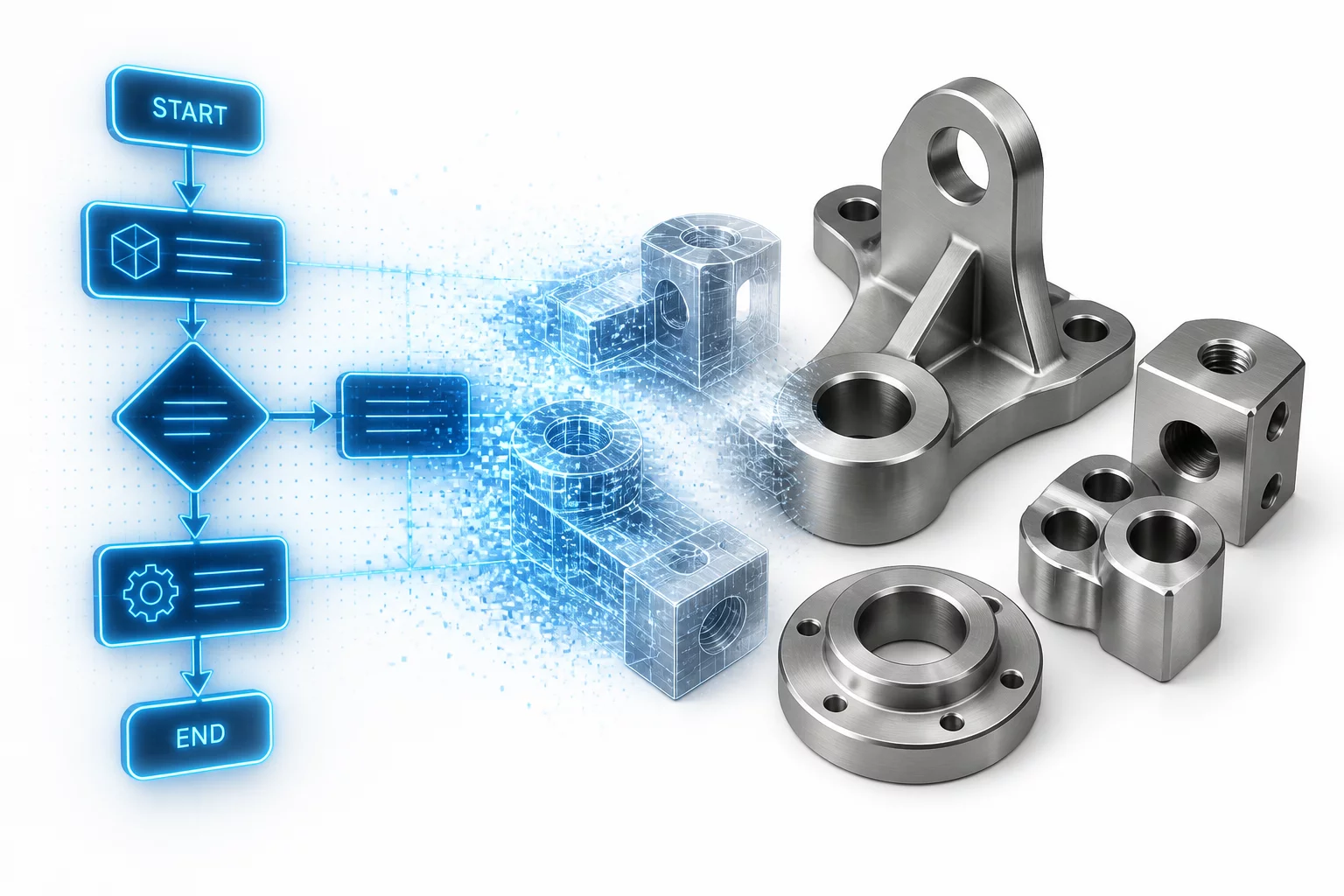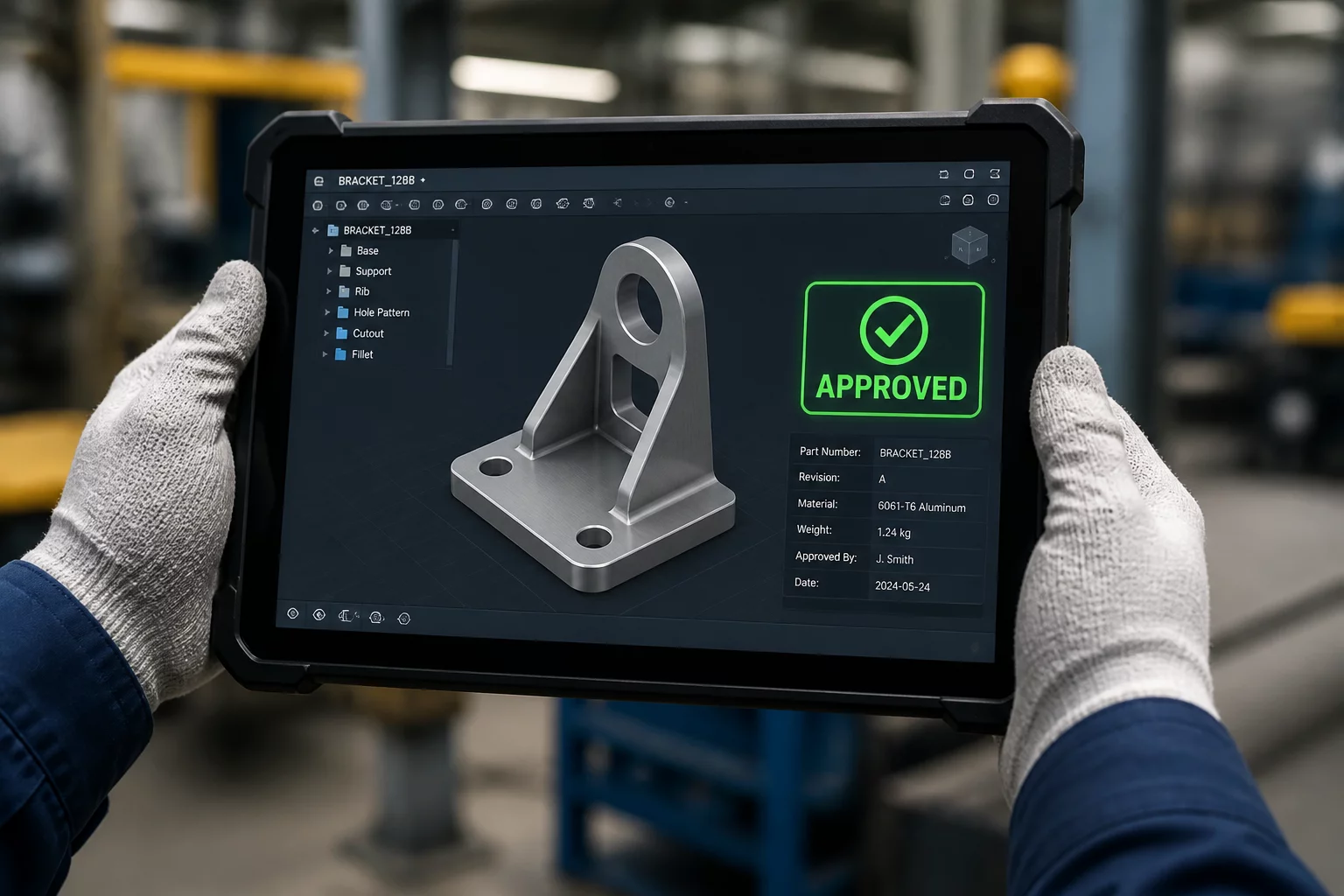
Engineering modifications rarely occur in isolation. When a single dimension changes, the downstream effects can ripple through multiple mating interfaces, altering assembly clearance, fastener alignment, and structural integrity. A structured revision approval workflow acts as a gateway, ensuring that every geometrical adjustment is verified against the entire tolerance stack-up before reaching the production floor. By defining clear verification gates, engineering teams can catch interface collisions and assembly errors early in the cycle.
Core Concepts & Methodologies
A functional revision workflow focuses on mapping dependencies and evaluating cumulative variation. When a tolerance limit is updated, the change must trigger a check on all neighboring components. The process relies on mathematical stack-up verification, assembly simulation, and cross-functional design sign-offs. This methodology prevents the common pitfall where minor individual part changes accumulate into a major assembly failure.
- Establish multi-stage approval gates to check tolerance stack-ups before manufacturing sign-off.
- Track neighboring component impacts to prevent interference issues on mating interfaces.
- Integrate automated CAD checks and digital mockup verification into the revision cycle.
- Ensure clear communication and ownership transfer between design and manufacturing teams.