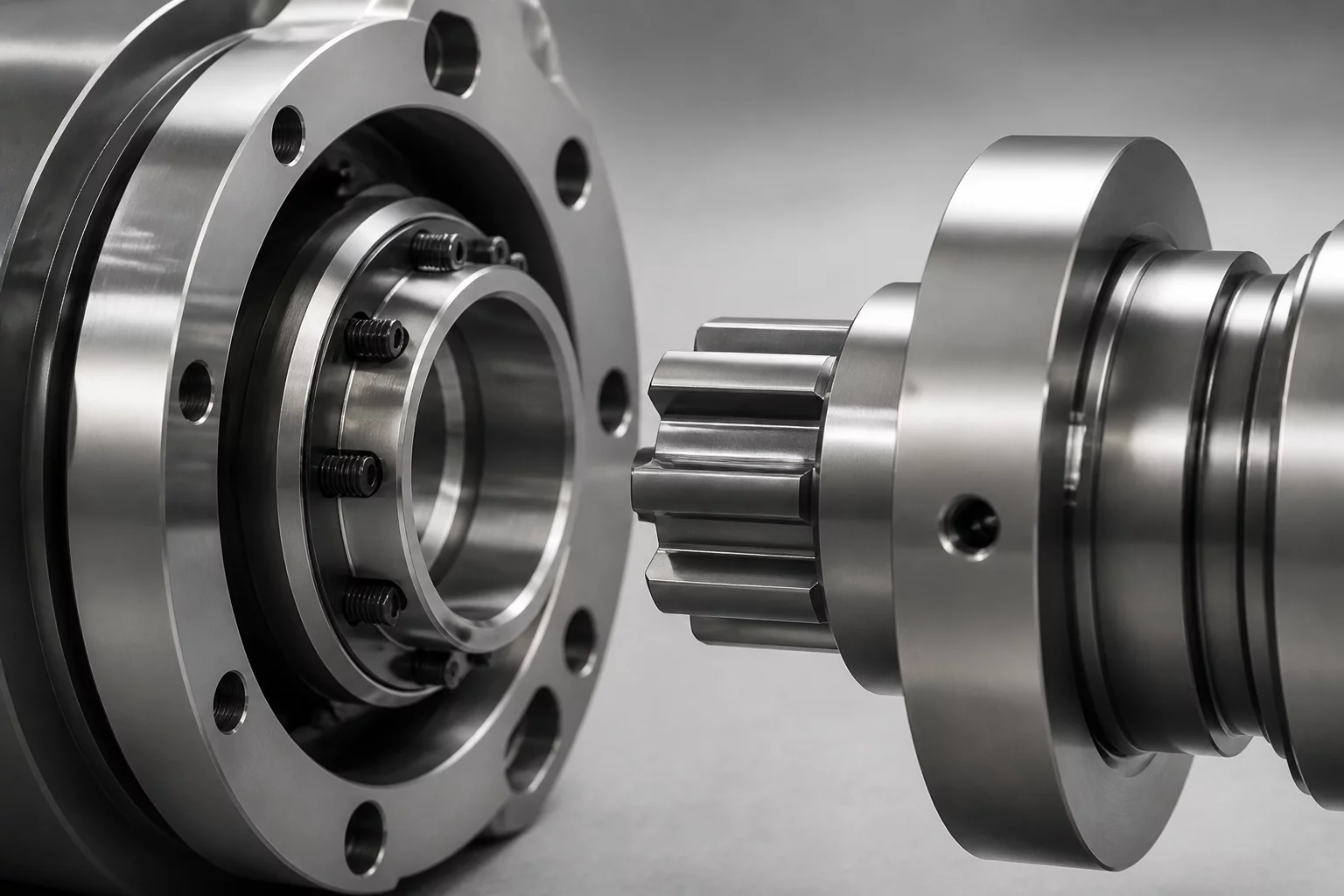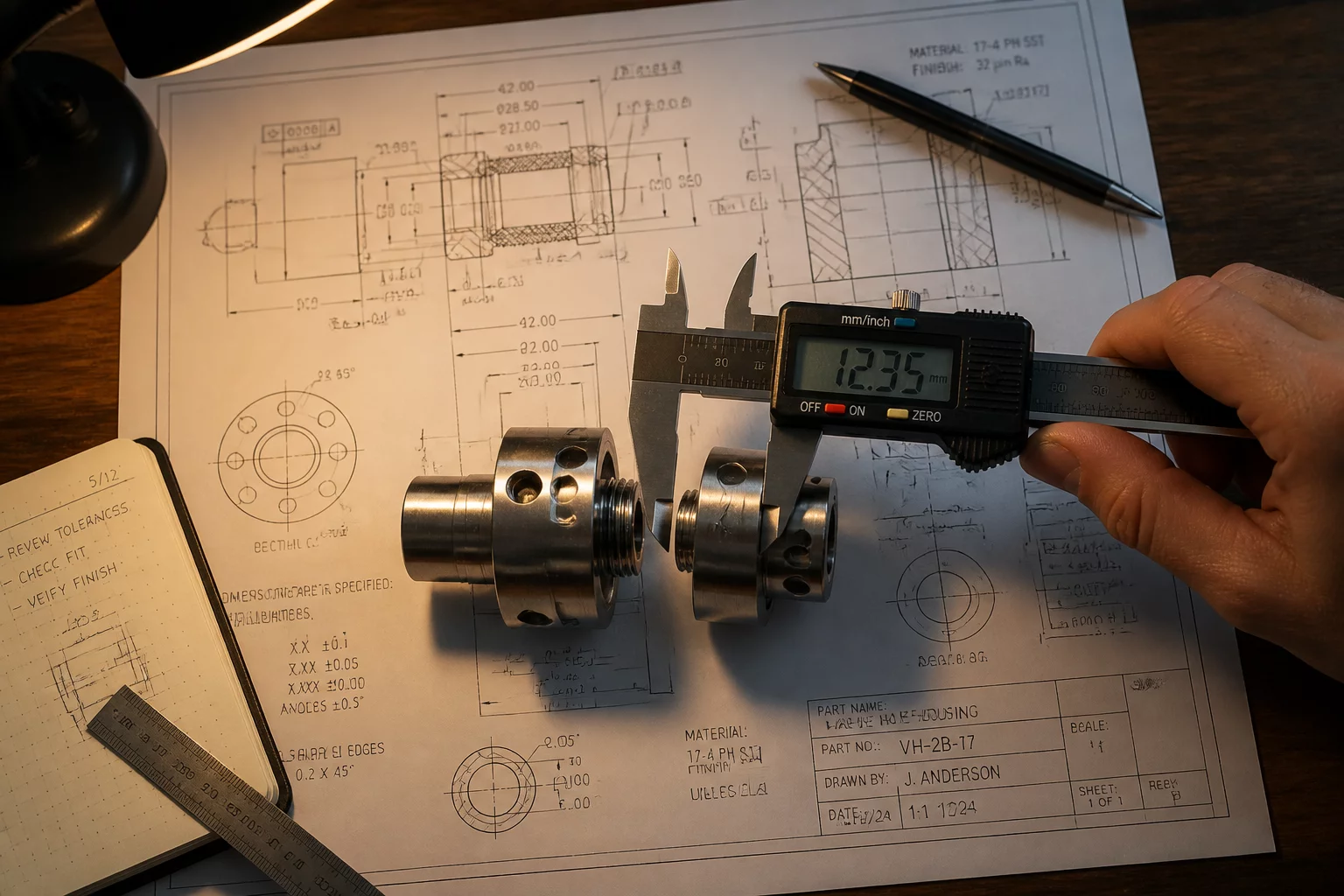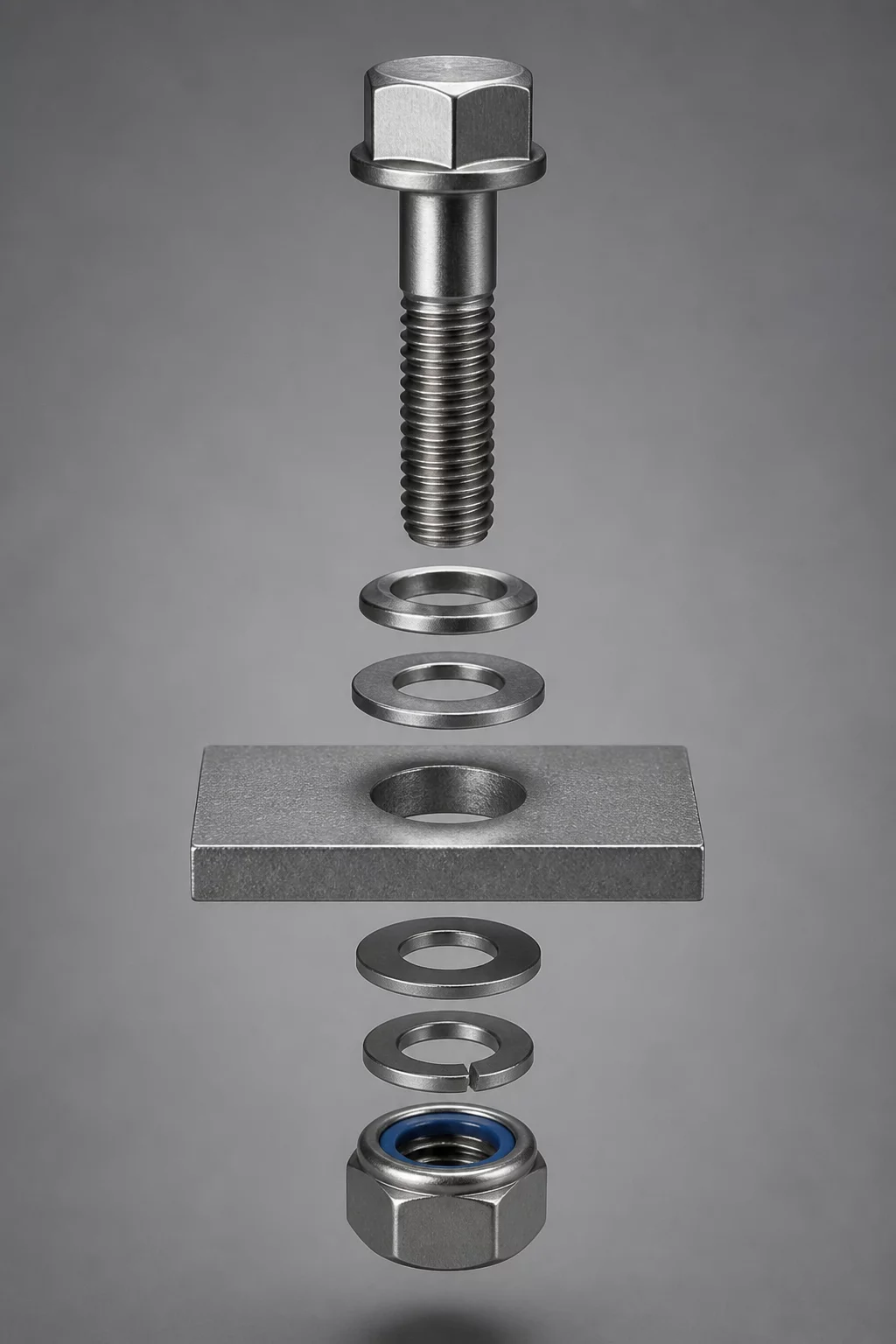
Fastener stack-up analysis remains a critical procedure in mechanical assembly design. Engineers often struggle with minor dimension changes that trigger cascading alignment failures in production. This educational program focuses on calculating clearances, thread tolerances, and overall stack limits for bolted joints. You learn to trace the cumulative effect of manufacturing tolerances on mating parts. Understanding these principles helps you maintain appropriate clamping force and prevent unexpected interference during assembly.
Core Concepts & Methodologies
Joint reliability depends on accurate geometric dimensioning and tolerancing (GD&T) specifications. In this course, we examine standard calculation formulas for worst-case scenarios and statistical Root Sum Squares (RSS) models. Participants analyze how hole positioning offsets and projected tolerance zones dictate actual thread engagement. Through practical layout reviews, you establish stable mating interfaces that resist environmental stresses.
- Understand the cumulative effect of washers, plates, and bolt heads on joint tension.
- Apply geometric dimensioning and tolerancing (GD&T) rules to clearance hole positioning.
- Differentiate between worst-case and RSS (Root Sum Squares) statistical stack methods.
- Implement standard design check processes to prevent assembly interference on the assembly line.