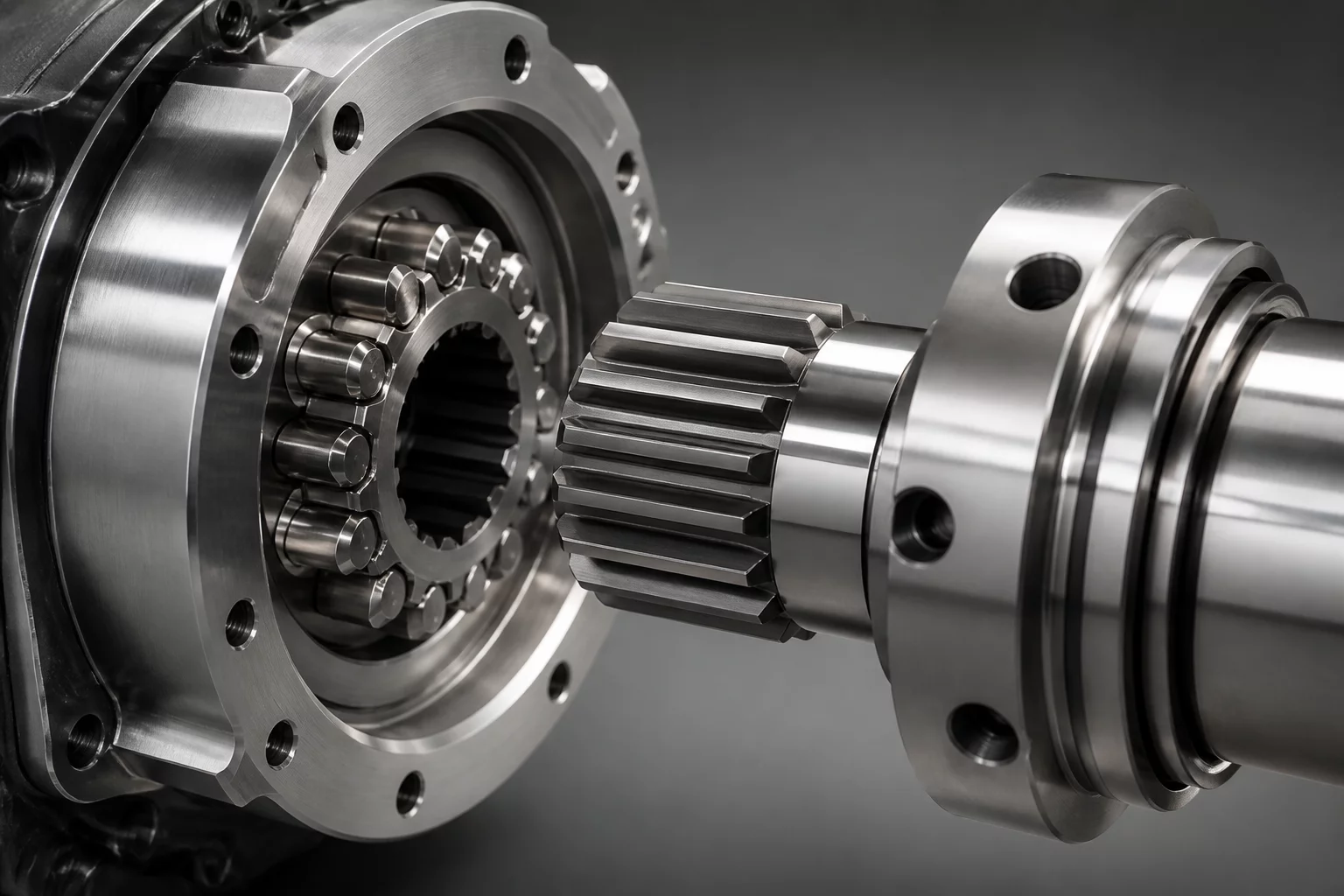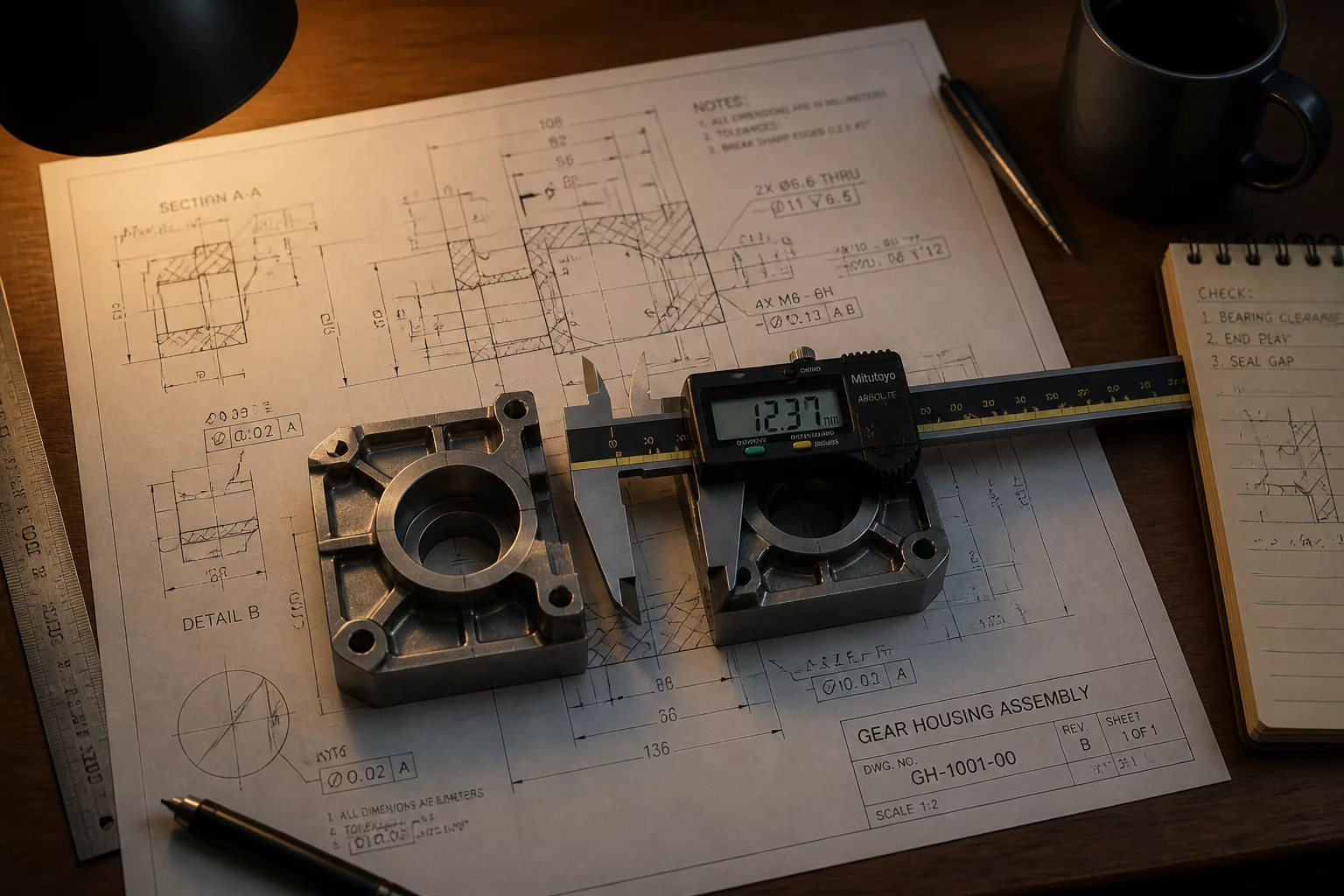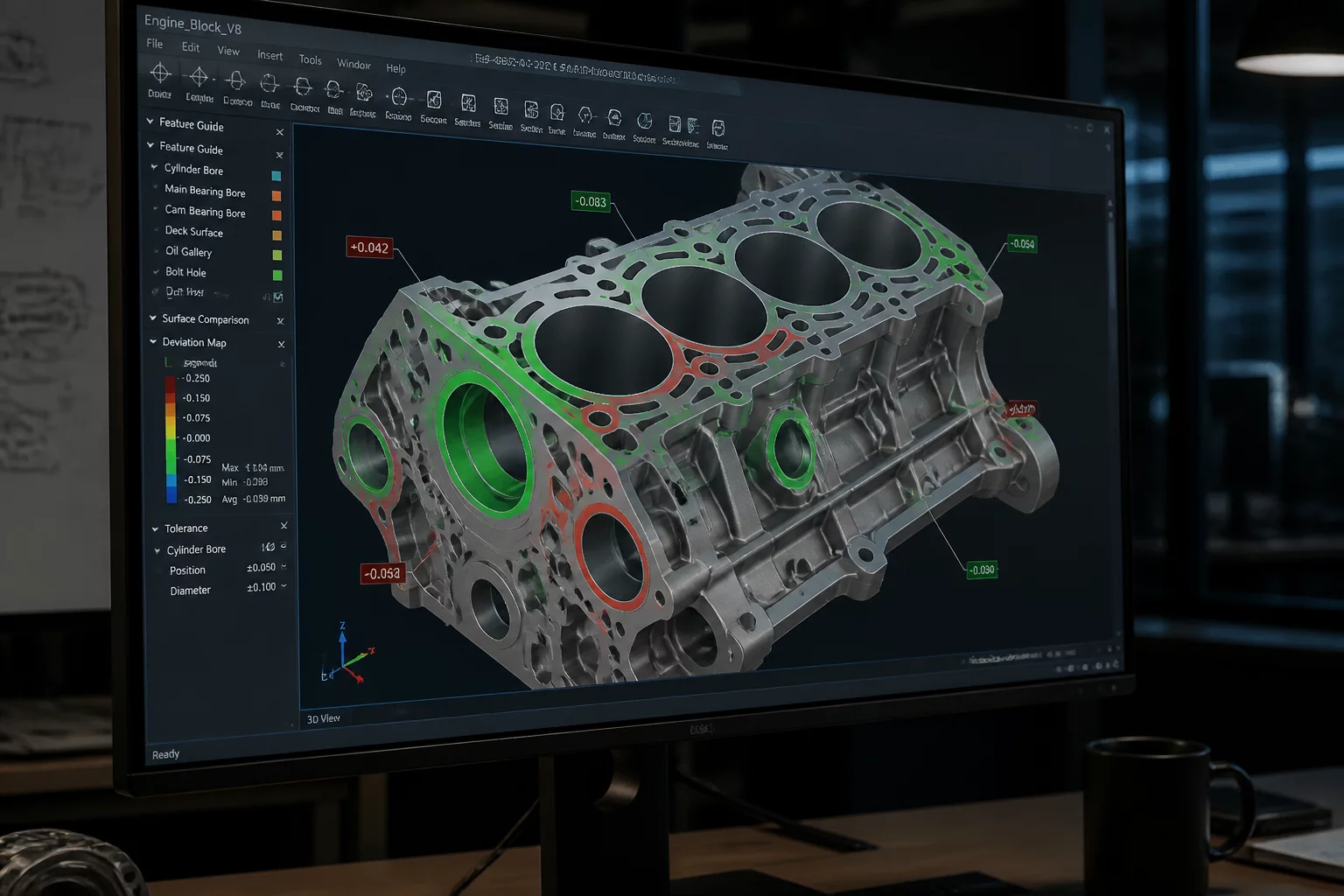
When designing complex mechanical systems, engineers rely heavily on tolerance stack-up calculations to ensure parts fit together properly during assembly. However, these calculations are only as reliable as the underlying assumptions made during the design phase. A tolerance assumption is a predefined rule or boundary condition—such as assuming parts are perfectly rigid, or that manufacturing variations follow a normal distribution. If these assumptions fail to align with physical reality, the resulting assembly will likely experience clearance issues or interference, leading to costly rework on the shop floor.
Core Concepts & Methodologies
To establish highly accurate tolerance stacks, engineering teams must evaluate several critical factors. These factors govern how dimensional variations accumulate across multiple interfaces, determining whether components will mate smoothly or fail to align entirely. Understanding these principles allows designers to set realistic boundaries without unnecessarily driving up manufacturing costs.
- Rigid vs. Compliant Component Behavior: Determining when parts can flex or bend under load versus when they remain completely rigid during assembly.
- Statistical vs. Worst-Case Distribution: Evaluating whether manufacturing variations will follow a Gaussian normal distribution or require absolute worst-case limit analysis.
- Thermal Expansion Coefficients: Accounting for material changes and dimension shifts when operating at extreme temperature variations.
- Component Interface Hierarchy: Defining primary, secondary, and tertiary datums to control the sequence of alignment during part mating.