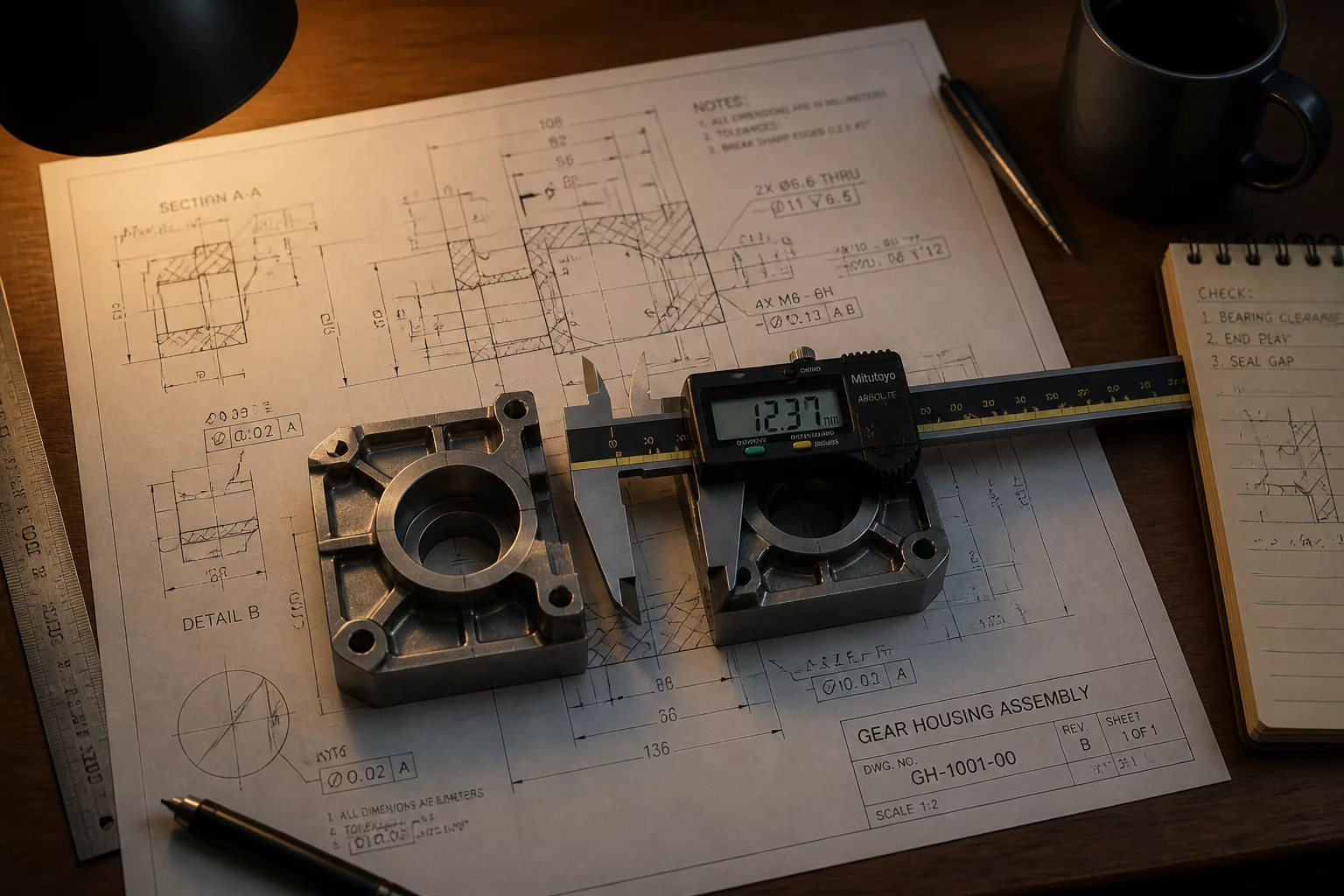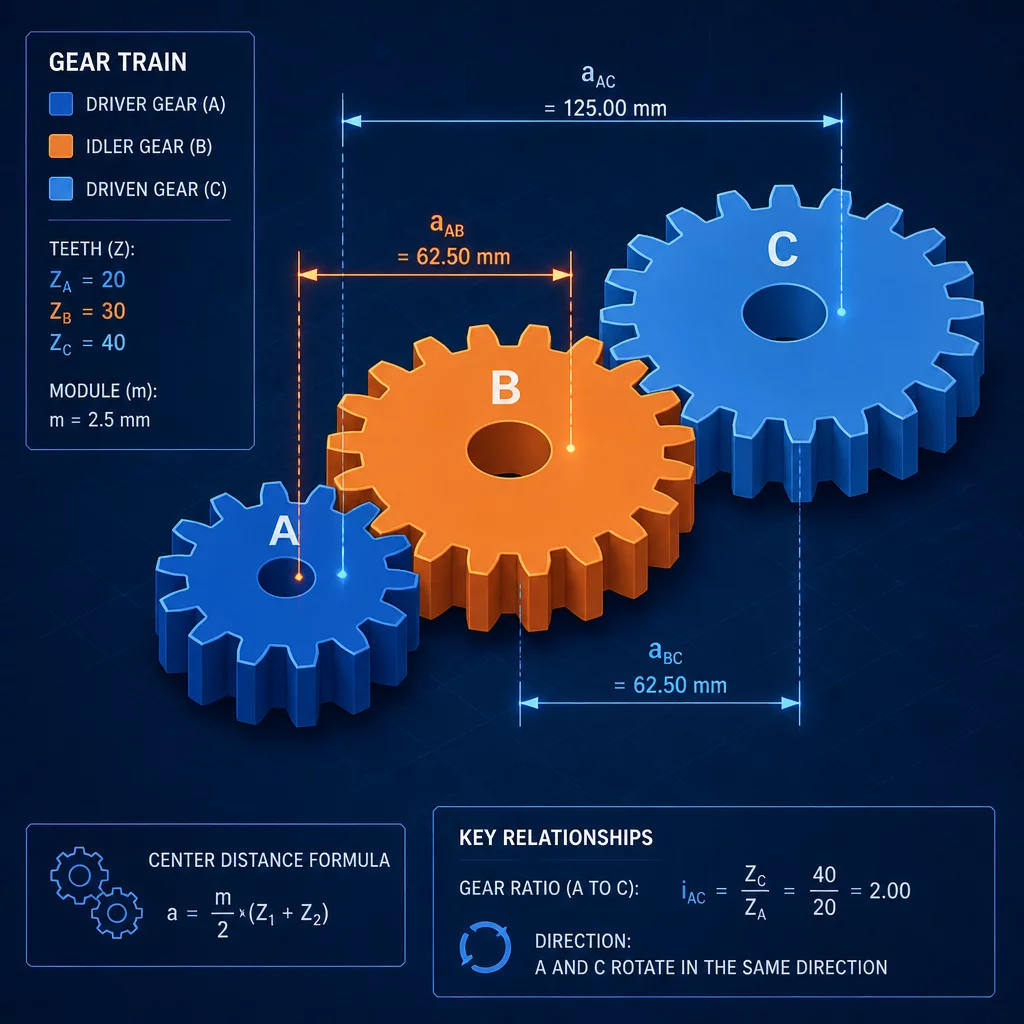
In precision engineering, a common challenge is the multi-part dependency, where a single geometric dimension directly impacts the alignment, fit, and clearance of three separate components. This occurs frequently in complex enclosures, gearboxes, and multi-layered structural frames. Understanding these stack-ups is critical: a minor variation in the primary driving dimension can propagate through the assembly, leading to interference, loose fits, or complete assembly failure. Engineers must analyze these critical dimensions early in the design cycle to prevent downstream revision costs.
Core Concepts & Methodologies
Managing a system where one dimension controls three parts requires a strong understanding of geometric dimensioning and tolerancing (GD&T) principles. By establishing robust datum structures and utilizing statistical tolerance stack-up analysis (like Root Sum Squared), designers can allocate tolerances logically. This method avoids the trap of using worst-case assumptions, which often results in unnecessarily tight and expensive manufacturing specifications. Our educational overview outlines the key steps to map, calculate, and validate these complex mating interfaces.
- Identify primary dimension dependencies across multiple mating parts.
- Map assembly interface loops to calculate cumulative variations.
- Apply GD&T datum reference frames to isolate critical clearance zones.
- Establish checklist criteria for downstream revision impact reviews.